

Latest news
Latest news
Ozanam House wins Inclusive Volunteering Award
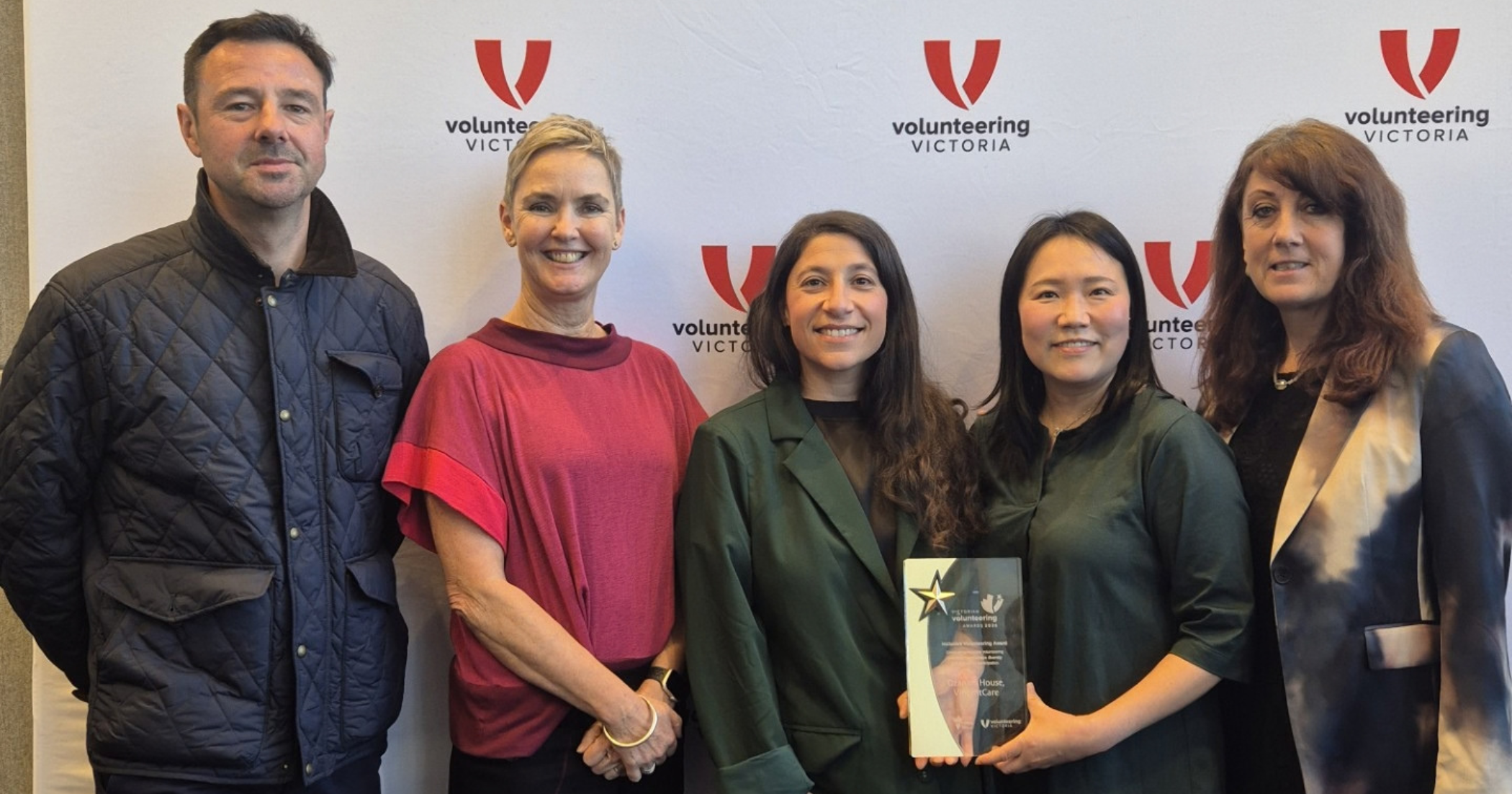
Ozanam House has won the Inclusive Volunteering Award at the 2026 Victorian Volunteering Awards!
This recognition belongs to our Client Volunteers.
The award honours organisations that reduce barriers to volunteering and champion equity, with a focus on inclusive, accessible practices that grow volunteer diversity and participation.
Our volunteer program at Ozanam House brings together four streams:
Community volunteers give their time on site each week.
Corporate volunteers join us through their workplaces.
School volunteers connect young people with our work.
Client volunteers bring their own lived experience of homelessness and recovery.
Many of our clients have been excluded from mainstream volunteering and employment. Our Client Volunteer Program changes that, opening up volunteering to people in recovery from homelessness, substance use and other life challenges, regardless of their backgrounds, identity and abilities. For many participants, it has had a life-changing impact on their recovery.
Client volunteers are trained as baristas to run our O'Café, the hub of Ozanam House. It's where clients, residents, visiting services and volunteers come together over a coffee. Behind the counter, client volunteers build routine, confidence and skills they can take into the wider community.
The program's impact reaches well beyond the café. For residents in crisis accommodation, client volunteers are peer role models who show that recovery is possible. They also speak at schools and corporate events, helping to break down the stigma around homelessness. Through our Client Advisory Committees, their lived experience directly shapes how we work.
What sets the program apart is how inclusive it is in practice. VincentCare is a proud Rainbow Tick accredited organisation with an active Reconciliation Action Plan, so we work hard to make sure everyone feels welcome and affirmed from day one. That sense of safety is what makes it possible for people who have often been pushed to the margins to step up as leaders.
Client volunteers learn from each other rather than through top-down training. They share practical advice and support one another. Graduates often return as Peer Mentors to guide new participants. Participants have also helped shape the program itself, sharing ideas and feedback in reflective practice sessions and regular program meetings.
After completing the two-year program, 85% of graduates have continued volunteering with us. Many have also returned to study or moved into Peer Worker roles.
Thank you to Volunteering Victoria and the Victorian Government. Congratulations to all this year's finalists.
Read More
This recognition belongs to our Client Volunteers.
The award honours organisations that reduce barriers to volunteering and champion equity, with a focus on inclusive, accessible practices that grow volunteer diversity and participation.
Our volunteer program at Ozanam House brings together four streams:
Community volunteers give their time on site each week.
Corporate volunteers join us through their workplaces.
School volunteers connect young people with our work.
Client volunteers bring their own lived experience of homelessness and recovery.
Many of our clients have been excluded from mainstream volunteering and employment. Our Client Volunteer Program changes that, opening up volunteering to people in recovery from homelessness, substance use and other life challenges, regardless of their backgrounds, identity and abilities. For many participants, it has had a life-changing impact on their recovery.
Client volunteers are trained as baristas to run our O'Café, the hub of Ozanam House. It's where clients, residents, visiting services and volunteers come together over a coffee. Behind the counter, client volunteers build routine, confidence and skills they can take into the wider community.
The program's impact reaches well beyond the café. For residents in crisis accommodation, client volunteers are peer role models who show that recovery is possible. They also speak at schools and corporate events, helping to break down the stigma around homelessness. Through our Client Advisory Committees, their lived experience directly shapes how we work.
What sets the program apart is how inclusive it is in practice. VincentCare is a proud Rainbow Tick accredited organisation with an active Reconciliation Action Plan, so we work hard to make sure everyone feels welcome and affirmed from day one. That sense of safety is what makes it possible for people who have often been pushed to the margins to step up as leaders.
Client volunteers learn from each other rather than through top-down training. They share practical advice and support one another. Graduates often return as Peer Mentors to guide new participants. Participants have also helped shape the program itself, sharing ideas and feedback in reflective practice sessions and regular program meetings.
After completing the two-year program, 85% of graduates have continued volunteering with us. Many have also returned to study or moved into Peer Worker roles.
Thank you to Volunteering Victoria and the Victorian Government. Congratulations to all this year's finalists.